One email platform run by KDDI exposed the logins of up to 14.2 million customers across six Japanese internet providers. The lesson for third-party risk teams is concentration and fourth-party risk: many brands on one shared supplier system, breached through a third-party software flaw.
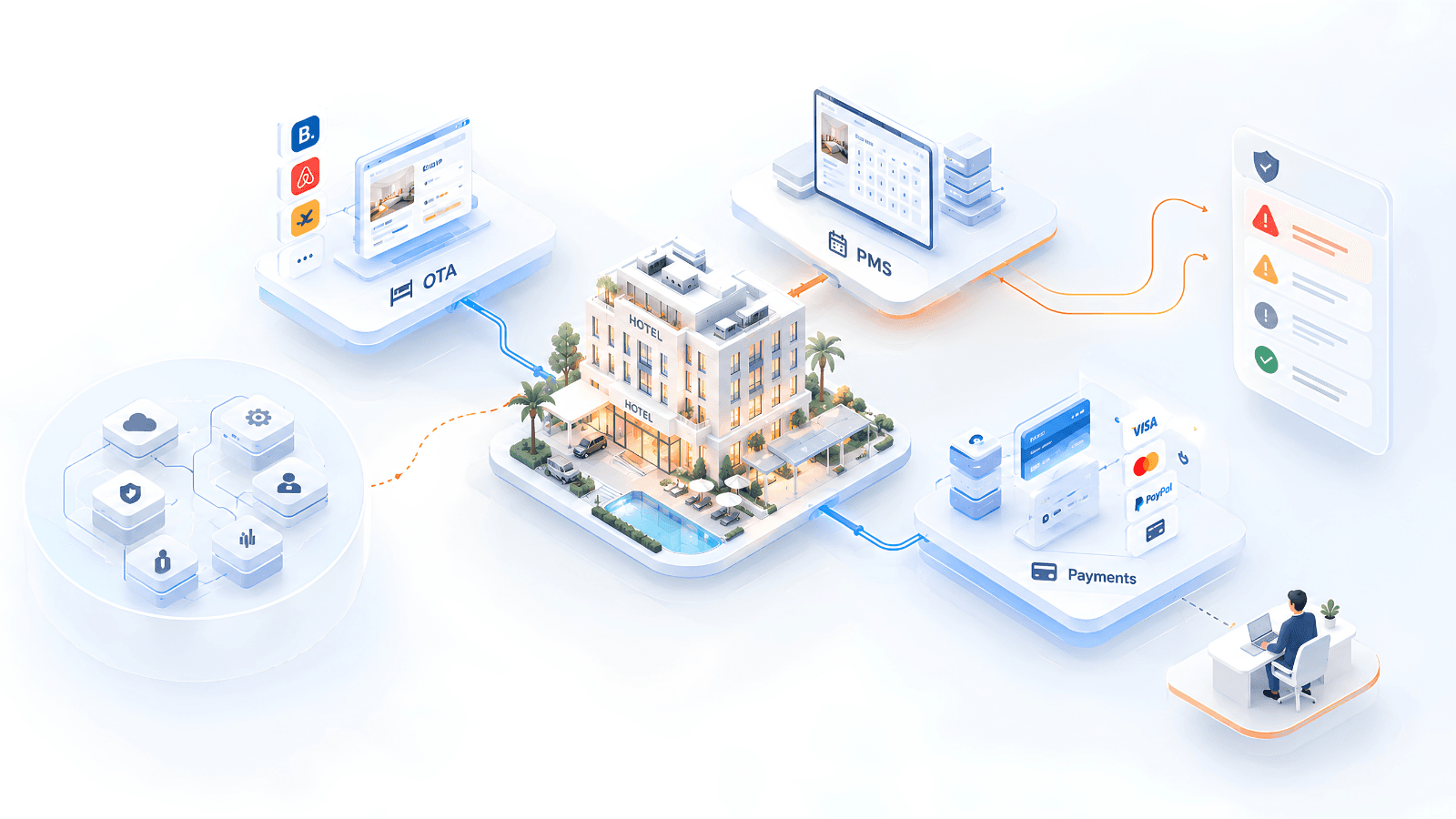
A single email platform run by one company exposed the login details of customers at six internet providers at once. KDDI, one of Japan's largest telecoms operators, says an attacker exploited a flaw in third-party software inside its shared email system. Up to 14.2 million email addresses and passwords may have been taken, spanning KDDI and five partner providers that rely on the same platform: STNet, J:COM, Chubu Telecommunications, NIFTY and BIGLOBE. The lesson is concentration risk. When many providers sit on one supplier's system, one breach becomes everyone's incident.
What happened
KDDI detected unauthorised access to its email system on 17 June 2026, according to the company and reporting by BleepingComputer. It assessed that the attacker exploited a vulnerability in third-party software inside the shared email infrastructure, not a phishing or social-engineering route. The platform does not serve KDDI alone. Five other Japanese internet providers use it: STNet, J:COM, Chubu Telecommunications, NIFTY and BIGLOBE. KDDI said up to 14.2 million email addresses and passwords may have been exposed, a figure that includes current customers, former customers and inactive mailboxes. Some passwords were stored in hashed or encrypted form, which limits immediate abuse, but KDDI has not said how many were held in plain text. The company notified Japan's Personal Information Protection Commission and the Ministry of Internal Affairs and Communications.
Why it matters for third-party risk
Strip out the names and the shape is familiar. Six consumer brands, one shared back end, one flaw. Customers of STNet or BIGLOBE never chose KDDI's email software, yet their credentials sat inside it. That is fourth-party risk: exposure through a supplier's supplier, one step beyond the vendor you actually contracted with. It pairs with concentration risk, where many organisations rely on the same underlying system, so one failure lands on all of them at the same time. There is a second layer here. The entry point was a third-party software component inside the platform, which makes this a software supply-chain incident as well as a shared-service one. For firms in scope of the EU Digital Operational Resilience Act (DORA) or the NIS2 directive, both patterns are now supervisory concerns, since both regimes ask organisations to map ICT concentration and understand who sits behind their direct providers.
What teams should take from it
Two moves are worth making now. First, look past your direct vendors and ask what they run underneath. A provider that resells or white-labels another company's platform passes on that platform's risk, so your register should record the operator of a shared service, not just the brand on the contract. Second, treat credential storage as a due-diligence question, not an assumption. Ask suppliers how passwords and secrets are stored, and whether any sit in plain text, before an incident forces the answer. For third-party risk teams, this is where continuous vendor monitoring proves more useful than a once-a-year questionnaire, because a shared platform can expose you through a supplier you never signed with.
FAQ
What caused the KDDI email breach?
KDDI says an attacker exploited a vulnerability in third-party software used inside its shared email system. The company detected the unauthorised access on 17 June 2026. It has not publicly named the software or the attacker.
Why does one breach affect six internet providers?
The six providers, KDDI plus STNet, J:COM, Chubu Telecommunications, NIFTY and BIGLOBE, use the same email platform. Because they share one back-end system, a single flaw in that system exposed customers across all of them at once. That is concentration risk.
Were the passwords readable?
KDDI says some passwords were stored in hashed or encrypted form, which limits immediate misuse. It has not said how many accounts, if any, had passwords stored in plain text. Affected users should change their email password and any place they reused it.
Want this applied to your supplier ecosystem? See the platform in action and map your top vendor risks live in one walkthrough.